Should All the Wood in a Room Match? Designers Say Mixing Tones Creates Far More Soul
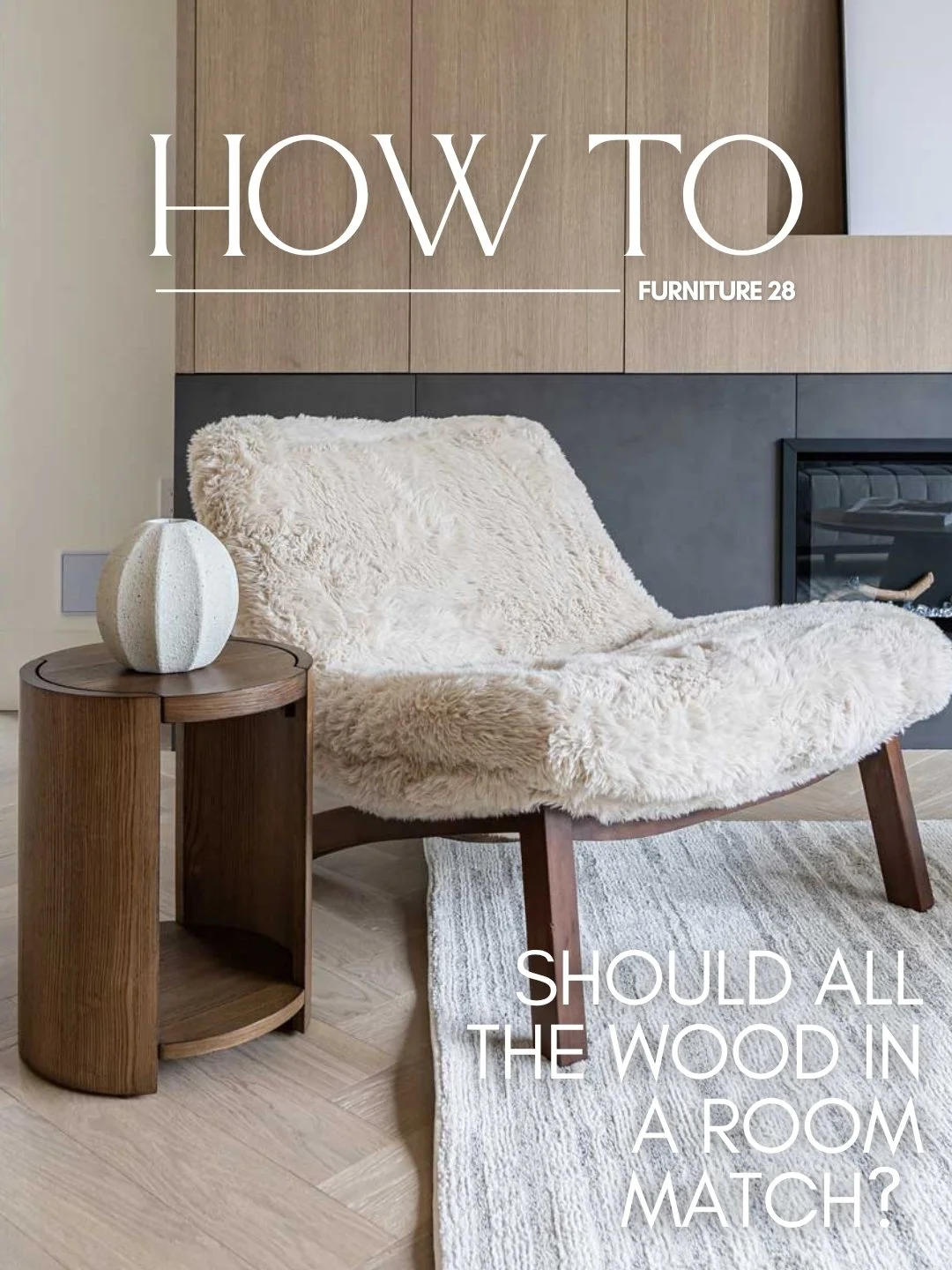
In the world of thoughtful interiors, few questions spark as much debate as whether every piece of wood in a room—floors, tables, cabinets, chairs—should share the exact same finish. The short answer, according to leading interior designers: absolutely not. A perfectly matched room can feel safe, but often reads as flat, generic, or suspiciously catalogue-ready.
The most inviting, layered, and enduring spaces are those that embrace a thoughtful mix of wood tones. Done intentionally, contrasting woods bring depth, warmth, and a sense of collected history that makes a home feel personal rather than performative.
Why Top Designers Rarely Match Every Wood Finish
Walk through the pages of Architectural Digest or any residence featured in shelter magazines, and you’ll rarely see strict uniformity. Instead, you’ll find a confident interplay of light and dark, warm and cool, smooth and textured.
Wood is a natural material. Each tree tells its own story through grain, color variation, and patina. Trying to force every element into identical tones fights against this inherent beauty. Mixing finishes celebrates it—creating visual rhythm, preventing a room from feeling one-note, and allowing individual pieces to shine while still harmonizing as a whole.
Start with a Dominant Wood Tone
The secret to successful mixing lies in establishing one primary wood tone that serves as the room’s anchor. This dominant finish provides cohesion while giving you freedom to layer in complementary pieces.
Popular foundational choices include:
White oak — for bright, airy, Scandinavian-leaning spaces
Natural oak — versatile, warm, and timeless
Walnut — rich, sophisticated, and grounding
Once this base is set, introduce one or two supporting tones. Think of it as a visual conversation rather than a monologue.
Master Undertones for Seamless Harmony
Not all woods play well together. Success depends heavily on undertones:
Warm Woods (golden, amber, reddish hues): Honey oak, walnut, teak, cherry
Cool Woods (grey, muted, silvery tones): Grey-washed oak, weathered finishes, driftwood, taupe stains
While you can successfully blend warm and cool families, keeping one family dominant prevents the room from feeling disjointed. A predominantly warm room with a few cool accents reads intentional; the reverse risks looking accidental.
Repeat Finishes for Rhythm and Cohesion
A single walnut coffee table floating in a sea of light oak can feel jarring. The fix? Repetition.
Echo the secondary tone throughout the space:
Walnut coffee table + matching picture frames + lamp base + open shelving
Dark dining chairs repeated in side tables or a console
This creates visual continuity and a subtle rhythm that guides the eye comfortably around the room.
Let Contrast Become the Star
Some of the most memorable rooms thrive on strategic contrast:
A pale oak dining table paired with rich walnut chairs
A dark walnut console beneath a light oak-framed mirror
Light wood flooring grounded by a bolder coffee table or media unit
These moments of difference add personality and prevent the space from blending into itself.
Texture Is the Ultimate Unifier
Wood tones don’t exist in isolation. Layer in soft linens, boucle upholstery, natural stone, woven baskets, wool rugs, and aged metals. These organic materials create bridges between different finishes, softening transitions and adding tactile interest that makes the room feel complete.
Don’t Obsess Over Matching the Floors
One of the most common (and costly) mistakes is attempting to match furniture exactly to existing hardwood floors. When pieces disappear into the floor, both lose impact.
Instead:
Pair light oak floors with walnut or medium-toned furniture for warmth and definition
Contrast darker floors with lighter wood pieces to create lift and brightness
If your floors are carpet or tile, let your largest furniture piece—dining table, bed frame, or media console—become the dominant wood tone.
The Timeless Duo: Oak and Walnut
Ask any seasoned designer for a foolproof pairing and oak paired with walnut consistently rises to the top. Oak brings brightness and approachability; walnut adds depth, luxury, and gravitas. Together they strike a perfect balance—refined yet relaxed, suitable for both classic and contemporary schemes. This combination has staying power that will look as fresh in twenty years as it does today.
The Goal Is Balance, Not Uniformity
A beautifully designed home doesn’t come from matching sets. It emerges from thoughtful curation—balancing color, texture, scale, and material in a way that feels lived-in and soulful.
Whether you’re starting from scratch or refreshing a single room, don’t be afraid to mix wood tones. When guided by a dominant anchor, smart repetition, and an appreciation for natural variation, layered woods create interiors with genuine warmth, character, and lasting elegance.
At the end of the day, your home should feel collected over time, not delivered all at once. Embrace the beauty of natural variation, trust your eye, and create a space that feels uniquely, timelessly yours.
This approach to wood tones has defined some of the most photographed homes of the past decade—and it will continue to define the most livable ones for decades to come.