Are Storage Beds Bad Feng Shui? A Practical Guide for Small, Clutter-Free Bedrooms
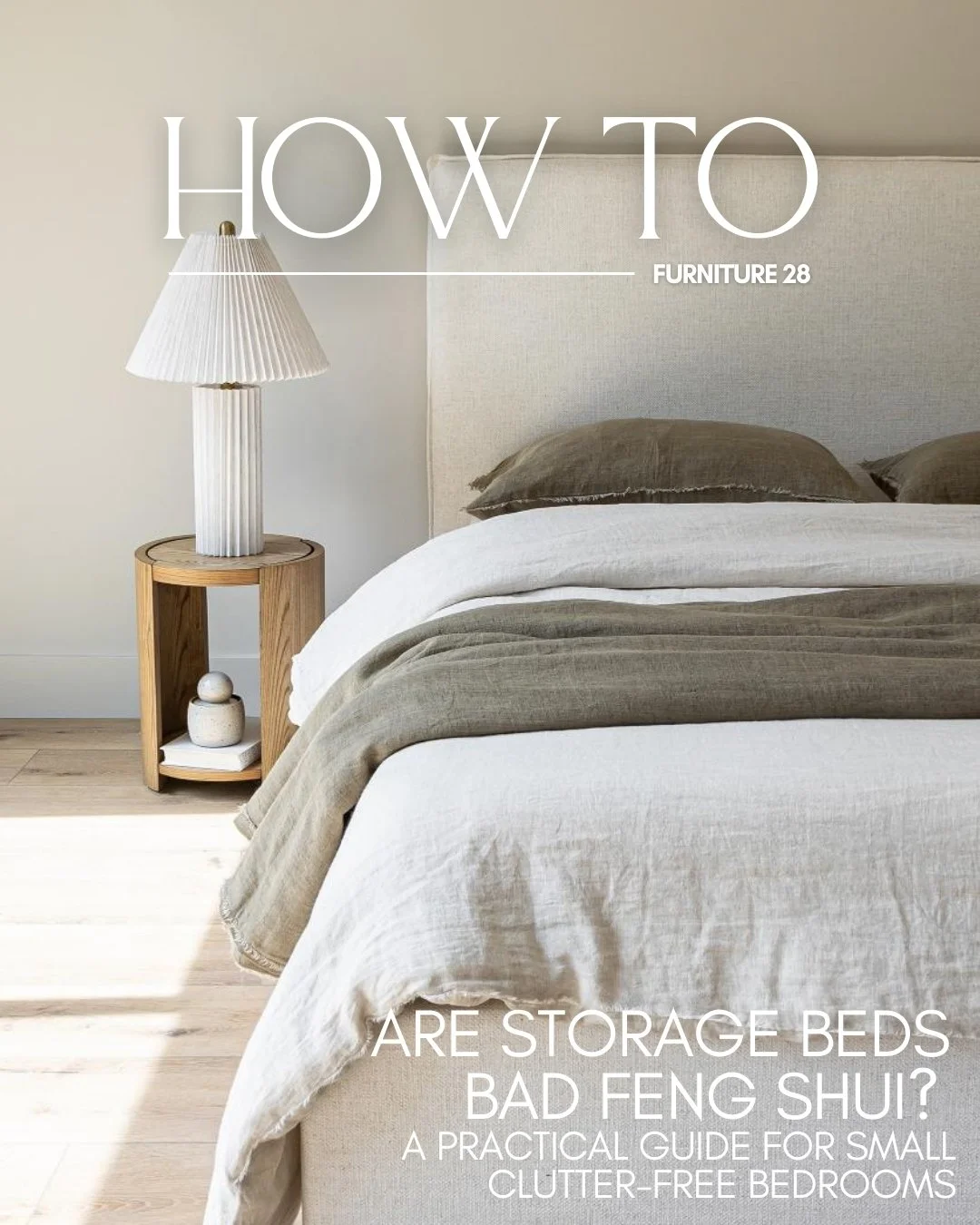
Traditional Feng Shui principles often suggest that the space beneath a bed should remain open so energy can circulate freely. The concern is that storing too many objects under where you sleep can interrupt the movement of Qi, the life force believed to flow through a home.
But modern living—especially in urban homes and condos—looks very different from the traditional environments where these ideas originated. Limited closets, compact bedrooms, and shared storage spaces mean many people simply need more places to store essentials like linens and bedding.
When used thoughtfully, a storage bed can actually support a calm and organized bedroom. And from a practical perspective, reducing clutter is one of the most important goals of Feng Shui.
Why Feng Shui Traditionally Discourages Storage Under the Bed
In classical Feng Shui philosophy, the area beneath the bed is ideally left open. This allows energy to move freely around the body while you sleep.
The concern is not the bed frame itself, but what accumulates underneath it. Over time, stored items can represent stagnant energy. Objects tied to stress—such as paperwork, unfinished tasks, or work materials—may symbolically linger in the space where rest and restoration should happen.
Because of this, traditional Feng Shui advice often recommends keeping the space under the bed clear whenever possible.
However, this guidance developed in a time when homes typically had separate storage rooms, larger closets, and more available space overall.
When Storage Beds Can Actually Improve Feng Shui
In smaller homes, the bigger Feng Shui problem is often visible clutter, not hidden storage.
Extra blankets, spare duvets, and guest bedding frequently end up piled in closets, stacked on shelves, or stored in bins around the room. Over time, this can make a bedroom feel visually crowded and mentally heavy.
A storage bed offers a practical solution by creating dedicated space for bedding and linens.
When these items are stored neatly inside the bed frame, it can free up closet space and remove clutter from the rest of the room. The result is a calmer environment that feels more balanced and organized.
In this way, a storage bed can actually support better energy flow by simplifying the space around you.
Platform Beds vs Storage Beds in Feng Shui
Both platform beds and storage beds can work well depending on the layout of the room.
Platform beds are often considered Feng Shui-friendly because they provide a stable, grounded base for the mattress. Some platform beds sit low to the floor, while others have legs that leave open space underneath.
Beds with legs technically allow the most airflow and open space below the frame. However, solid platform beds without storage are also widely accepted because they create a strong, supportive foundation.
Storage beds add drawers to this structure. While they reduce open space under the bed, they can still align with Feng Shui principles when the storage is kept organized and limited to appropriate items.
What You Should (and Shouldn’t) Store Under a Bed
If you choose a storage bed, the most important factor is what you store inside it.
Items that generally work well include:
extra sheets
blankets
duvet inserts
seasonal bedding
spare pillows
These items are soft, neutral, and connected to rest.
It is best to avoid storing things associated with stress or activity, such as:
paperwork
electronics
work files
shoes
sentimental clutter
Keeping the storage simple, tidy, and related to sleep helps maintain a calm environment.
The Ideal Feng Shui Bed Placement
The placement of the bed in a room has a much greater impact on Feng Shui than whether the bed contains storage.
One key principle is positioning the bed so you can see the door while lying down, without placing the bed directly in line with the doorway. This layout is sometimes called the command position and helps create a sense of comfort and security.
A solid headboard also adds stability and support. Upholstered or wooden headboards tend to work well because they create a strong visual anchor for the bed.
Whenever possible, it is also helpful to leave space on both sides of the bed, which allows the room to feel balanced and accessible.
Feng Shui Solutions for Small Urban Bedrooms
In larger homes with linen closets and spare storage areas, it is easier to keep the space under a bed completely empty.
In smaller homes, however, thoughtful storage becomes part of good design.
A storage bed can replace plastic bins, reduce clutter, and help organize the bedding you already need to keep somewhere. By simplifying the rest of the room, it can contribute to the sense of calm that Feng Shui encourages.
Rather than focusing on rigid rules, modern Feng Shui is often about balance—creating a space that feels peaceful, functional, and easy to live in.
For many small bedrooms, a well-designed storage bed can be part of that solution.
A Design Perspective on Storage Beds
Many interior designers take a balanced approach to Feng Shui. While traditional advice often recommends leaving the area under the bed open, the larger goal is creating a bedroom that feels calm, comfortable, and uncluttered.
In smaller homes especially, well-organized storage can support this goal. When extra bedding and linens are neatly stored within the bed frame instead of overflowing into closets or visible containers, the entire room tends to feel more ordered.
From a design perspective, a storage bed can help simplify the environment and maintain the visual calm that Feng Shui encourages.
Choosing a Bed That Supports Both Design and Daily Life
The best bed is ultimately the one that works with the way you live.
For some homes, that may mean a platform bed with open space underneath. For others—particularly smaller urban bedrooms—a thoughtfully designed storage bed can make everyday organization significantly easier.
The key is choosing a bed that feels stable, well-built, and suited to the layout of the room. When the space is thoughtfully arranged and free from unnecessary clutter, it becomes much easier to create the calm, balanced atmosphere that Feng Shui aims to support.
In the end, good Feng Shui isn’t about following rigid rules—it’s about creating a home that feels restful, organized, and supportive of everyday life.